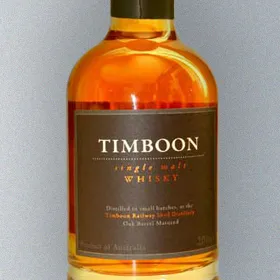
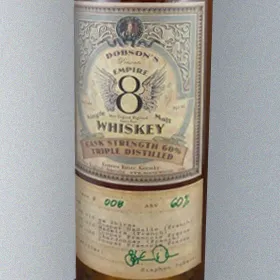
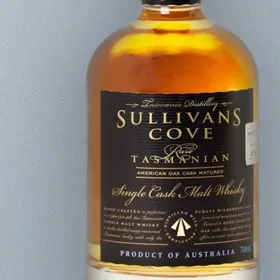
Remarkable, two weeks have passed before reviewing the second of five from Tasmania's Spring Bay distillery. It's here now, and I anticipate a potent dram. Distilled in 2016, this NAS offering was aged in ex-Tawny (Australian Port) French Oak and bottled at 58% ABV. It's not inexpensive at $235, but it is a 700 ml bottle, making it reasonably competitive in the Australian market. This serving is from cask #138. N: This is immediately a rich and velvety spirit, with delightful toffee-butterscotch and sweet stewed plums and strawberries. A slight acidity and a refreshing herbal spice note of menthol and anise. Despite its thickness and weight, it is still inviting and evokes a Christmas feeling. P: Surprisingly smooth, with a generous amount of brown sugar that transitions to a darker caramel. Plums and dates join with deep spices of clove, cinnamon, and warming pepper. The oak is tannic and slightly drying, but it complements well. The palate evolves into something chewier and sweeter, perhaps stewed pears and honey. The high ABV keeps things engaging, revealing the profile slowly and thoughtfully. F: Lingering. Dark cherry, a slightly bitter dark chocolate-mocha note, and more tannic spices. A splash of water reintroduces some youthful character to the nose; the alcohol becomes a bit acetone-like but also reveals a hint of the underlying malt, not as grainy as in the bourbon cask, but still slightly young. The palate becomes quite thin, losing richness and, unfortunately, character. More menthol and anise emerge towards the finish. There's a new rhubarb and custard sensation that's a little lively, but otherwise, water didn't benefit this much for me. I'm a fan of port casks, and while I recognize that excessive casking can lead to a liquid overly dominated by port, this remains within the bounds of a balanced spirit-cask combination. I quite enjoy this but wouldn't purchase a bottle as I believe it lacks the nuance and value for money offered by, for example, Arran Port Cask. Still, it's good to have a dram this fortnight! Likely see whoever is still around in another two weeks! A whisky taste [Pictured here with a Pudding Stone for this portly dessert of a dram. This is an approximately 55 million-year-old siliceous conglomerate from Hertfordshire in the UK. The rock formed as a shore deposit; a bed of pebbles that was infiltrated by silica-rich waters. A major factor in the formation of silica cements is silica dissolution due to temperature changes. This Puddingstone is from close to the time of the “Paleocene-Eocene Thermal Maximum” when average global temperatures were 8 °C hotter than today. The PETM trigger is attributed to uplift associated with the onset of the mantle plume that created Iceland. Thermal pulses from the Iceland Plume also caused shifts in sea levels and pumping of waters through sedimentary basins. So, a mantle plume beneath Iceland led to the heating of seawater that caused silica dissolution, and helped drive the silica-saturated fluids through shore-line pebble deposits that sat in a sedimentary basin underneath a 55 million-year-old land surface, eventually cementing them into this conglomerate.] Spring Bay running scores: Bourbon Cask: 3.5/5 The Rheban: 3.25/5
Spring Bay The Rheban
3.38 Mixed reviews
Whiskey World Whisky Tasmania 58% ABV
Tried it?
How was this pour?
Score this bottleRating a bottle takes an account, so your scores follow you and count towards the number everyone else reads.
Reviews
Showing the most detailed of 2 parsed reviews.
Nose: Fresh oak, red fruits, butterscotch, raisin. Palate: Malty and dark red fruit entry with a bit of honey and caramel. Sweet development includes dark cherries, strawberries, and a chewy, malty plum pudding with a light brandy butter sauce. The texture is rich and enveloping, supported by good oak with just a hint of spice. The high alcohol content is barely noticeable. Finish: Medium. Fortified wine notes and some nutty tannins in the aftertaste. A well-rounded port-heavy spirit, but definitely leaning sweet. Matured in 5 tiny French oak ex-port casks, yielding only 125 cask-strength bottles. Named after a farm south of the distillery overlooking a beach. Note that "The Rheban" is the distillery name for all its cask-strength offerings. Port wood is the primary maturation, though rare sherry and bourbon cask bottlings also exist. "Good": 84/100 (3.75 stars)
Tastes like this
Same style and price bracket, best rated first.