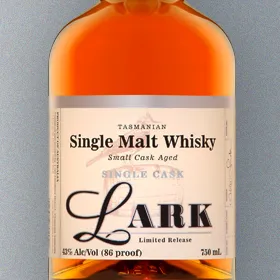
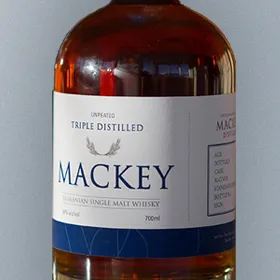
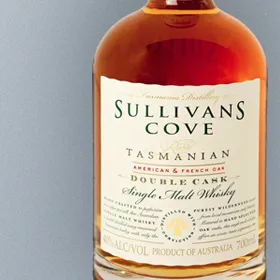
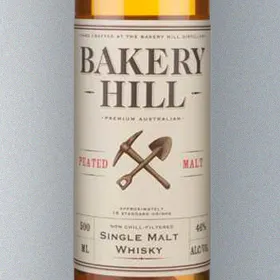
Revisited on August 27, 2025. Nose: Citrus (lemon, lime, grapefruit), recently cut hay, fresh wood planks, and yeasty bread. Sweeter scents are more prominent now, with apricot, peach, and gooseberry apparent alongside a fragrance like sweet white dessert wine. Floral notes appear after it breathes in the glass. Palate: Sweet with a bright, lively tang. Sweet ginger, grapefruit, and cereal (oatmeal) emerge as it develops, along with vanilla and fresh wood flavors. It has a good mouthfeel. Adding water introduces mild peppery spice and enhances the subtle woody, tannic note. Finish: Medium/Short. A bittersweet citrus, tannin, and nutty, grassy taste lingers. It's been three years since I last tried any of this brand's whisky, and this sample is both immediately recognizable and slightly altered from my prior tastings. Reviewing my earlier notes (which I hadn't consulted before writing this), I detected nearly all the same aromas and flavors, but this batch seems less woody and more floral/sweet. It particularly improves after resting in the glass. I've been searching for a sixth whisky for an Australian spirits tasting event I'm hosting soon, and surprisingly, this might be it. Either their spirit has gradually evolved, or my palate has developed to the point where I can finally appreciate it; regardless, this is good whisky, and I'm increasing my previous score. Sampled from a 30ml portion. "Good": 84/100 (3.75 stars). Revisited October 19, 2022. Nose: Sweet, fresh-cut grass, hay, citrus peel, honeydew melon, stone fruit (nectarine, peach, apricot), barley grist, and a hint of vanilla. A subtle oak aroma is present, but the casks aren't overpowering. It's crisp and refreshing, gaining body and integration with time in the glass. Palate: A sweet, bright, clean cereal arrival with melon and honeysuckle notes, balanced by a citrusy grassiness and a touch of spicy ginger. The texture is light yet creamy with a nearly effervescent quality, a slightly sour hint, and a bit of drying tannin that adds balance. Finish: Medium/short. White grape, melon, and hazelnut. The aftertaste gains a little sweetness. I enjoyed this spirit slightly more than the last time I tasted it two years ago. The nose on this batch is more harmonious and integrated, with a delicately sweet and crisp character. The palate is less earthy and grainy than before but still has a note reminiscent of a grassy, dry white wine. The palate shows good progression, moving towards sweeter notes in the finish. It's also a spirit that benefits from resting in the glass, allowing it to develop a more honeyed, fruity character. As it develops, it becomes more akin to a light Scottish highland malt (perhaps Teaninich?), but also has aspects that remind me of both Bladnoch and Auchentoshan. It doesn't require dilution, but water will bring out some floral tones on the nose and emphasize the ginger on the palate. Overall, I preferred it neat. Sampled from a portion provided by a friend. "Above Average": 82/100 (3.25 stars). Originally reviewed October 25, 2020. Nose: Bright, intense cereal aromas. Green, freshly cut grass and hay. Bitter yellow grapefruit and a prominent yeasty scent. Malted and unmalted barley, quince paste, ginger, and wooden planks. The nose becomes richer and sweeter over time as honey and sweet citrus notes emerge. Adding water tends to dilute the character too much, leaving little more than the cereal and wood aromas. Palate: Semi-sweet, oaky, and cereal on the arrival. Earthy and grainy, almost like a sour-mash whiskey wash. Oatmeal porridge, tannin, mild grapefruit, and quite a bit of bright, hot ginger. It has a crisp white-wine quality that borders on sourness. The texture is good. Adding water makes virtually no difference to the palate. Finish: Medium/Long: Soft oak tannin, vanilla, grapefruit juice, hazelnuts. This presents an unusual spirit profile. It shares characteristics with Deanston Virgin Oak and also with Auchentoshan, but it's brighter and more citrusy than either. The initial scent from the neckpour was somewhat off-putting, with strange notes like fly spray. It settled down as the spirit oxidized in the glass but never completely vanished. It wasn't that specific aroma, but my memory struggled to find a closer comparison. I've only tried this brand once before, and it was a much more expensive expression, a cask-strength "Director's Cut," which was exquisite. It bore no resemblance to this spirit. Sampled from a distillery-produced 100ml portion. "Average": 78/100 (2.75 stars).
Limeburners Single Malt American Oak
3.81 Decent
Whiskey World Whisky Western Australia 34% ABV
Tried it?
How was this pour?
Score this bottleRating a bottle takes an account, so your scores follow you and count towards the number everyone else reads.
Reviews
Showing the most detailed of 2 parsed reviews.
Going back to a favorite of mine, Limeburners American Oak. I don't think Limeburners are widely recognized beyond Western Australia or even Australia. The Great Southern Distillery is situated on the waterfront in Albany, Western Australia. They distill their spirits using traditional small batch copper pot stills, using local barley and water sourced from the Nanarup aquifer beneath Albany. This aquifer is formed from ancient limestone, which likely imparts a lovely mineral character to the water. All standard releases are bottled at 43% ABV, reduced from cask strength using filtered rainwater. The American Oak bottling is aged in used American Oak barrels and is likely the best representation of the core Limeburners range and spirit. Great Southern Distillery employs a Solera System for its bottling. This involves combining several casks into a large holding tank for maturation. Half of this blended batch is then filtered and bottled, while the remaining half stays in the tank, which is then topped up with new barrels. While Limeburners may have faced criticism for inconsistency previously, my experience over the past three years with the American Oak bottling has shown no significant variation. This suggests that any initial inconsistencies have been resolved, and the Solera System is effectively ensuring batch-to-batch uniformity. Nose: Enjoyable and vibrant melon, rich barley, crisp orchard fruit, and creamy caramel. Palate: Succulent stone fruit, vanilla, and a hint of slightly tart citrus. Light honey and a vibrant ginger spice. Abundant rich malted barley and woody tannin notes. Overall, a full and somewhat smooth texture. Finish: A bit brief. Vanilla and a creamy nuttiness transition to honey sweetness followed by a ginger kick. This is a robust whisky, perfect for summer and lively. While distinctive, it's also very accessible and easy to enjoy. I can contemplate it, but it doesn't require much effort to appreciate its qualities. I appreciate that. The nose might be slightly superior to the palate. The aroma brings to mind idealized television ads of fresh apples being misted, with water droplets cascading down the sides, cutting to summer streams with buzzing bees collecting pollen. If you could taste a scent, this aroma would likely deliver a brilliant, crisp green apple crunch. I'm not sure if a bright, sunny orchard can be bottled, but this whisky might come close. This particular bottling might have been my introduction to bourbons due to its caramel and vanilla notes; while these are certainly present, the spirit's character still shines through, which is a great accomplishment, not being completely overshadowed. My only potential drawback is that the ginger note can be a bit intense at times, but it's not a significant issue. Whisky tasting reference #54
Tastes like this
Same style and price bracket, best rated first.