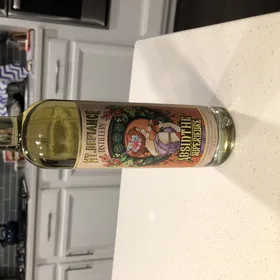
Rating: 16/23 This spirit is quite clear, with a pale straw color. Typically, the brand produces rather neutral yet refined spirits, so I anticipate a similar experience. Nose: Truly, the aroma is very clean. Beyond anise, there's a touch of minerality, floral notes, and hints of citrus and mint. It evokes a clean sea breeze (minus the salt), or perhaps freshly laundered clothes. I could dissect the floral components further, but suffice it to say it's clean, refined, and uncomplicated. Palate: An immediate taste of pure spring water, followed by light anise, then citrus (mild lemon), and a substantial, enduring layer of bitter herbs that persists. A subtle mint undertone is present throughout. The initial stages were highly enjoyable, but the final bitter component is overwhelmingly dominant and pervasive (accompanied by a spicy, though not harsh, warmth). It completely saturates the senses and lasts an exceptionally long time. I wish that aspect were subdued and integrated better with the other flavors. Up to that point, it strongly resembled the subtle refinement of a particular gin. This is akin to sipping that gin and then, midway through, having someone force a mouthful of ground juniper down your throat. While I appreciate some of that flavor, this is excessive. It's comparable to certain IPAs that prioritize maximum hop intensity above all else. Finish: An unending bitterness with mint. It's a bitterness reminiscent of juniper and hops, with the most intense aspect of licorice. It's incredibly potent and genuinely unpleasant. I appreciated the nose and the initial palate flavors immensely. However, once the overwhelming bitterness arrived, it lost me. I enjoy a significant level of bitterness, but this is simply too much and too one-dimensional for me to appreciate. If you're crafting a cocktail and specifically want to amplify bitterness without adding much else, this might be worth considering. Otherwise, I'm confident superior alternatives exist. Two additional positive points are its consistent clean flavor profile (no off-notes) and its lack of harshness, despite the high proof. Regarding the rating, I want to acknowledge its clean character, but its palate-obliterating intensity and lack of complexity prevent me from scoring it too highly. This is disappointing, given its potential resemblance to that specific gin's flavor profile. I definitely favor a different brand over this. A score above 10 feels unwarranted, yet 7 seems too low. I won't conclude the tasting here; unlike most spirits, I have enough of this sample to experiment in cocktails due to its potency. This outcome is surprising, yet it aligns with my apprehensions. In mixed drinks, all the nuanced complexity I explored vanishes, leaving primarily the bitter element with only a faint trace of the spirit's other characteristics. However, it performs remarkably well with bourbon, surpassing other options. With a particular rye whiskey, it matches another brand, balancing its reduced richness with an expanded flavor variety. That other brand still lags behind. I'm quite frustrated that when mixed, most of the delicacy of these spirits disappears. For bourbon and many ryes, a pronounced bitter note can enhance a cocktail, so this represents an improvement. I must factor this into the final assessment, thus increasing the score significantly. I anticipated the bitterness and lack of complexity might be detrimental with gin, but it actually integrates quite well into clean, dry gins. As a standard cocktail ingredient, this seems like an excellent selection. When paired with a specific gin instead of another, it remains a solid choice but is no longer the standout. Interestingly, all three combinations result in exaggerated versions of iconic gins: one brand resembling a particular type, another this spirit, and the third a different brand. This doesn't diminish its quality; rather, it solidifies its status as a great choice for general bar use. One final comparison: gin mixed with vermouth. Using an inexpensive gin with a reasonably priced (yet still decent) vermouth. In an unexpected turn, this finishes third! The floral and fruit notes of another brand truly elevate the cocktail, making it something worth ordering. This simply adds excessive bitterness, disrupting the balance. Another brand also achieves better balance, introducing a savory quality that complements the base liquors, broadening and enriching the result. In this specific scenario (the fifth and final comparison, to be completely honest and fair), this spirit finally loses its top spot as a mixer. It's not bad, though. This is an unexpected outcome, but it aligns with the idea that this brand is a highly effective mixer, despite being quite (to put it mildly) unpalatable on its own. What a complete turnaround. It was truly uninspiring neat, likely scoring between 9 and 12, but I didn't bother to finalize a neat rating because its performance as a mixer is vastly superior! As a mixer, it generally enhances the drinks it's added to, easily earning a 15. I could go as high as 17, but 16 seems appropriate. If I were stocking my bar, this would undoubtedly be my selection. It lacks extensive character on its own, but even a small amount adds significant depth to a drink. It doesn't introduce a wealth of complexity, but it adds a new dimension that wouldn't otherwise be present, almost invariably improving the final result.
Oregon Spirit Absinthe Original
3.23 Mixed reviews
Everything else Absinthe Oregon No age statement 62.5% ABV
Tried it?
How was this pour?
Score this bottleRating a bottle takes an account, so your scores follow you and count towards the number everyone else reads.
Reviews
Showing the most detailed of 5 parsed reviews.
My initial encounter with absinthe, acquired to prepare a Sazerac. Before we proceed, let's explore its characteristics. Visually, it's a pale yellow. The nose presents potent star anise (akin to black licorice), powdered sugar, lime, wildflowers, and spearmint before dilution. With water, it becomes cloudy, retaining the sweet black licorice scent alongside a subtle earthy, herbal tea note. Without added sugar (diluted 3:1 with water), the taste features anise, rubbing alcohol, powdered sugar, and a rich, oily finish. Black licorice, lime zest, and a bitter herbal tea are also present. Adding sugar reduces the anise intensity, though it remains the dominant flavor. The tea note becomes more pronounced and less bitter, making it considerably more agreeable. The palate feels thoroughly coated with a slight numbing sensation and a prolonged finish. I doubt I'll drink this on its own again, but the added sugar does improve its balance. Now, if only that peculiar monkey in the corner would cease its staring...
I love absinthe, but not this one. Tried it straight and with water. Floral herbal nose. Anise, mint, dry herbal, then explodes with ethanol and a very very bitter herbal (wormwood?) finish that isn't pleasant. Dry and astringent, leaves mouth tingling and alkaline--bleh! Not sweet. Not so much green in color as light khaki green. Perhaps this would mix well (in small doses) in a classic cocktail, but it didn't improve much in a classic Green Fairy with ice water. For the premium price, you can find a lot better absinthes.
This intricate herbal spirit from Oregon begins with a bouquet of botanicals, herbs, and spice. It boasts a rich, medium body that introduces flavors of wormwood, fennel, anise, and clove. The experience culminates in a lengthy, subtly bitter finale, featuring notes of licorice alongside a whisper of earthiness. August 2018
I purchased a 50 mL bottle to sample. It's very heavy on the spice and alcohol, hitting the lips and tongue forcefully. A clove taste lingers for a while. It made a decent Sazerac, but for me, it's not worth the price.
Tastes like this
Same style and price bracket, best rated first.
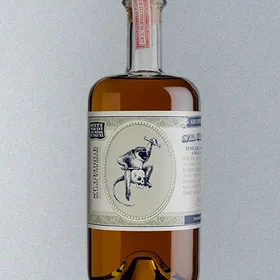
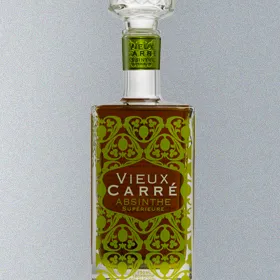
Vieux Carré Absinthe
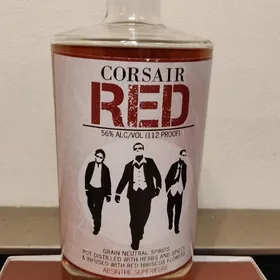
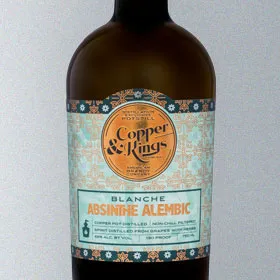
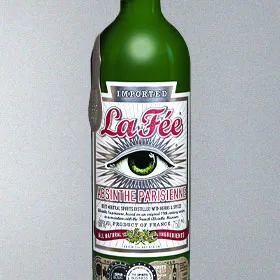
La Fée Absinthe Parisienne
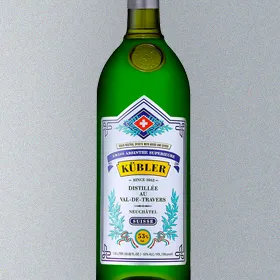
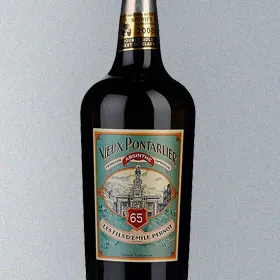
Vieux Pontarlier Absinthe