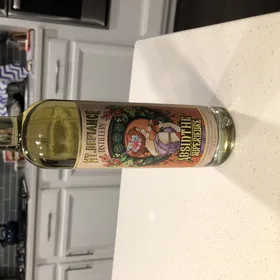
Rating: 14/23. This spirit has a lower than usual alcohol content for absinthe at 56%, and the reason for this is unclear. It presents a distinct orange hue with touches of red in the bottle, resembling whiskey. However, after adding half an ounce to a Glencairn glass, the colors become quite similar to another spirit. While it remains the darker option, its yellow tone is more akin to a Highland scotch than a bourbon. The aroma is more robust and slightly savory than its counterpart, with less anise and a milder bitter character. It also carries a softer, more rounded floral scent that blends with the savory notes, evoking a garden with a mix of blossoms, decaying vegetation, and fresh earth. This spirit offers a more balanced and complex aroma compared to the other, which smells sweeter and more floral. While the alternative's scent might be more engaging, this one is more refined and balanced. Despite not being overwhelming, there's a definite presence of anise, a subtle hint of light wood, a pleasant freshness reminiscent of tarragon, and a faint tartness. It's not exceptionally complex but is certainly well-balanced. The palate is intensely numbing with a strong, authentic anise flavor that enhances the savory qualities, creating a lingering taste. A subtle tartness is present throughout, alongside floral and mineral notes. The mouthfeel is quite numbing but lacks a distinct clove taste. A larger sip reveals earthy and vegetal undertones, with a floral note emerging on each exhale. The tarragon freshness is a highlight, adding a unique and fitting touch. However, the pronounced numbness causes the overall experience to fade quickly. It's interesting for its restraint but lacks complexity and impressive balance. Nevertheless, its palate complexity holds up better than the alternative once the numbness sets in. The finish remains very numbing, with a noticeable menthol tingle. Hints of dry earth and vegetal savoriness are present, with reduced anise flavor mostly masked by the numbness. A faint hint of tarragon persists, though diminished. This part is the least appealing aspect of the drink. As someone not fond of absinthe, I find its profile somewhat harsh and dislike the palate-numbing effect. This spirit tastes acceptable, not objectionable, but not enjoyable. It will likely remain in my collection, used sparingly in mixed drinks until I tire of it. I do appreciate the flavor, but the numbness quickly renders the palate incapable of further tasting, making it difficult to consume frequently. The more I drink, the more its complexity becomes apparent and appreciated. As a scotch enthusiast, I appreciate its funkier, savory quality. However, for those seeking a cleaner spirit, this may not be suitable. Considering its refinement, a score below 10 is unwarranted, but 14 is the highest I can reasonably assign. Now, I will experiment with this absinthe in mixed drinks, as that is a common use. This spirit seems to reliably enhance or maintain complexity and balance in cocktails. With bourbon, another spirit might be preferred, but it rivals a different rye in mixed drinks. I initially thought lighter spirits would make this more appealing than the other option as its complexity emerged, but its subtlety is too faint with bolder alcohols, though richness and balance are consistent. The savory, vegetal aspect could be problematic in some applications but should be well-hidden in darker cocktails and suit those featuring gin or the absinthe itself. I previously noted that the vegetal flavor clashes with a clean dry gin. Regrettably, I haven't found a cocktail where this outperforms the other option. In a final attempt as a mixer, using a better quality gin yields an interesting result where all three spirits produce exaggerated versions of iconic gins. It's unfair to call the Corsair combination an exaggeration; it presents a stronger anise flavor, a more assertive character, and is more numbing. It's less rich but comparable to many gins. For those who dislike the sweet and savory notes of a particular gin, a touch of this absinthe could be the solution. However, another absinthe might serve the same purpose. Thus, this absinthe is a reasonable choice, but best suited for neat consumption as it underperforms in cocktails. It finally shines as a mixer when paired with a bland gin and dry vermouth. It offers excellent balance with discernible complexity. The savory notes enhance the base mixture, while the remaining flavors carefully balance sweetness, highlight herbal qualities, and complement the vermouth. For the first time, this absinthe surpasses the others in a cocktail. However, this achievement isn't enough to secure an overall win. I may even give it the lowest rating. While I can appreciate spirits that perform well across the board, this one falls into a disappointing middle ground, being just adequate neat and in mixed drinks, without excelling in either. Sipping this makes me wish I hadn't. Mixing it similarly results in a slightly below-average outcome in most cases. It's unfortunate, as I had high hopes, and if forced to choose one of the three for either a cocktail or neat pour randomly, this would have been my pick. The reality is, I can have multiple options. My best description is that its attempt at quirkiness results in a generalist profile. It achieves mastery in nothing and remains underwhelming, a disappointment. The highest level it reaches is around a 13, tied for both neat and mixed usage. Upon revisiting it alongside the other two spirits for a final comparison, this absinthe holds its own surprisingly well. It excels at adding subtle complexity where needed, and since cocktails require only a small amount, the cost is minimal. If seeking a budget-friendly spirit for cocktails, this could be an option, though a dash of bitters might suffice. As a side note, extensive micro-cocktail tasting revealed a variation on a margarita using rye and absinthe instead of tequila and orange liqueur is quite good, provided the sweetness is balanced. Otherwise, lime juice with rye and absinthe is unpalatable. Back to the rating: the balanced punch and richness in cocktails have grown on me. I still don't believe it surpasses a 13 neat, primarily because it overwhelms the palate. However, in cocktails, it performs much closer to the second spirit than the third, despite having a different profile. The clean punch of the second spirit is still superior, possibly significantly so. For mixing, I'll raise this to a 14, potentially a 15, but leaning towards 14. I wouldn't repurchase this bottle unless it was considerably cheaper. Given its size, it will likely last a decade, so buying another full bottle of absinthe, or even a sample, is unlikely, as tasting absinthe is quite an undertaking.
Corsair Red Absinthe
3.13 Mixed reviews
Everything else Absinthe Tennessee 56% ABV
Tried it?
How was this pour?
Score this bottleRating a bottle takes an account, so your scores follow you and count towards the number everyone else reads.
Reviews
Showing the most detailed of 2 parsed reviews.
It's tough to say if this is good or not. I detect a lot of anise and tarragon with a whisper of mint. The taste is similar right away, with significant bitterness and harshness alongside anise and tarragon hitting instantly and bringing a strong numbing spice. The balance is decent, but the bitterness and numbing quality are excessive. The numbness and bitterness linger far into the finish, during which time some peppermint appears. It's certainly an acquired preference. It's difficult to encounter anything this herbal anywhere. Fortunately, it possesses a pleasant, prominent sweet floral presence, but that fades much quicker than the numbingness and bitterness (though not rapidly by typical liquor standards). I'm uncertain about this one. It's not really an easy drinker, so I won't rate it a 15, but it's definitely not bad, so it's not below a 10. This will require further evaluation. Even for a cask strength (though 56% is not that potent actually), this is quite harsh. I appreciate how the palate evolves over time and I truly enjoy that initial burst of sweet floral syrupy richness - though I can see how some might find it unpleasantly reminiscent of Jagermeister. There's even a little tarragon remaining on the finish, which is rather nice.
Tastes like this
Same style and price bracket, best rated first.
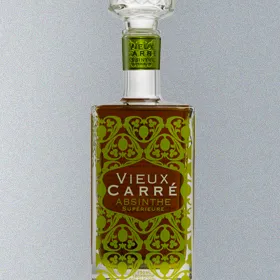
Vieux Carré Absinthe
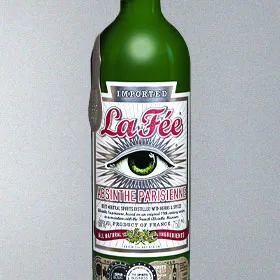
La Fée Absinthe Parisienne
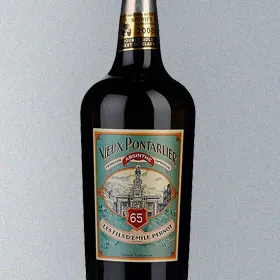
Vieux Pontarlier Absinthe