Here are my thoughts on two gins I appreciate. I admit, deciding between gin and whiskey would be difficult if forced. Luckily, I don't have to choose and can continue to savor an afternoon martini or Manhattan as the mood strikes. Life's too brief for such dilemmas! I don't consume gin straight. I'm a martini enthusiast, prepared either up or on the rocks, depending on inspiration. Sometimes with a twist, other times with an olive or two. Occasionally, I might opt for a Gibson. My go-to vermouth is Dolin Extra Dry, but I enjoy experimenting. For instance, a few drops of black pepper tincture can transform a martini, making the inclusion of a garlic or blue cheese stuffed olive entirely sensible. For this comparison, I sampled both gins neat from a glencairn glass. Both bottles are about three-quarters full and have been open for several weeks. The liquor rested for several minutes after being poured. Botanivore is perfectly clear, exhibiting minimal sheeting and small, rapid tears when swirled. The aroma presents a sharp ethanol note. After a short rest, I detect citrus, specifically lemon, along with hints of juniper, dry cilantro, coriander, tarragon, green leaves, earth, and some floral notes. Overall, the aroma is very light, playful, and not at all imposing. The Botanist's aroma is sweeter, equally light and inviting. I perceive more anise, cloves, and subtle herbal elements. The Botanist and Botanivore are quite similar, but the former lacks the earthy, almost mushroom-like notes found in the latter. Like Botanivore, Botanist is also crystal clear but displays significantly more sheeting and larger tears when swirled. On the palate, Botanivore is slightly sweet and has a hint of antiseptic quality. It offers a soft entry, a nuanced mid-palate, and a long, warming finish with cloves and ginger, possessing good persistence. Mushroom and earthy elements are present. This gin is quite sophisticated, very clean, and easy to enjoy neat or in a martini. The Botanist amplifies the Botanivore's characteristics. It starts slightly sweeter, with a bit more licorice in the body, and is both complex and floral. In a side-by-side comparison, the earthy, mushroomy notes are noticeably absent. The finish is shorter and slightly less spicy, but the mouthfeel is a touch creamier. This is among my favorite martini gins ever. These two gins appear very alike in the glass, and I enjoy both. Distinguishing them in a cocktail might prove difficult. This is hard to accept given that The Botanist is at least 25% more expensive in my area, although it is more readily available. The Botanivore offers a richer, more earthy, and full flavor profile. Its flavors register on the back of the tongue, whereas the Botanist's are more towards the front. I'm almost inclined to call it more complex, but that's not entirely accurate either. The Botanist possesses immense depth of flavor, but it leans in a slightly different direction. The main takeaway is this: you can't go wrong with either, which is why I'll likely keep both in my regular gin rotation. Cheers!
St. George Botanivore Gin
Gin Modern Gin California No age statement 45% ABV
Tried it?
How was this pour?
Score this bottleRating a bottle takes an account, so your scores follow you and count towards the number everyone else reads.
About this bottle
Botanivore gin lives up to its name with 19 distinct botanicals. Sixteen are steeped in a neutral spirit overnight to infuse. The remaining three—juniper berries, bay laurel, and fresh cilantro—are placed in a basket within the still, allowing vapor to pass through them. Following pot-distillation, the gin is adjusted to 45% ABV. It is available in 750ml and 200ml bottles, with the latter offered in a trio pack alongside their other two gins.
How it tastes
Measured across 14 flavor axes. Tap a note to find other bottles that lead with it.
Reviews
Showing the most detailed of 50 parsed reviews.
Score: 16/23 N: There's a strong juniper aroma here, with earthy and slightly vegetal notes. It's faintly sweet, not like Plymouth, and carries a hint of pepper and alcohol. There's also a touch of oily lemon and something reminiscent of Bols Genever. P: Not for the timid. The green juniper berry from the nose is prominent. It's somewhat sweet with lemon, and the mineral character sometimes brings to mind lemon drops, though it leans drier. It's distinctly earthy with vegetal and herbal notes adding complexity. This offers much more than Plymouth. A deep, slightly flat bitter note akin to mild black licorice provides a nice foundation. It's a demanding but intricate and captivating profile that improves with time. I'm keen to see how it performs in cocktails. F: The green juniper berry, vegetal notes, and a funky bitter-sweet base persist. The finish is reasonably substantial, but lacks the depth of the palate. - Conclusion - This is a standout gin. It's comparable to Roku in its innovative approach to a classic formula, despite their different flavor profiles. Both are excellent choices for a home bar, and a mix of genever and a juniper-forward gin could serve as a passable alternative if needed. Its richer, more complex (though challenging) profile places it above Plymouth by a few points. It also edges out Ford's slightly. However, it doesn't quite reach the level or quality of Monkey 47. I'm settling on a 16, with the possibility of a 17. I might even consider purchasing a bottle. Appreciate the sample from a friend!
This is my second gin from this producer, the first being their rye version. Nineteen botanicals seems like a lot, perhaps excessive, but it allows for unique additions like cilantro. I'm also pleased that many are steeped rather than infused in a gin basket, promising a distinct flavor profile. The aroma is primarily floral and herbaceous, with no single scent dominating. It smells like it would pair wonderfully with citrus, though none is apparent on the nose. Juniper is present but clearly secondary to the other botanicals. The initial taste is distinctly floral, almost sweet, yet still identifiable as gin. The flavor develops from the scent of a national park garden, with a subtle suggestion of citrus, perhaps dried lemon and lime peels coated in sugar. The finish is light, but the flavors remain balanced until the palate is completely cleansed. This is especially pleasing given the slightly higher 90 proof. This expression was highly impressive. While I haven't tried their flagship green label, I would recommend this gin to any novice seeking an excellent, approachable American gin. Given the distinct notes of the rye version, I'm eager to purchase full bottles from this distillery, excluding the green label, as I have no interest in California specialties.
Seeking a versatile gin for both cocktails and sipping neat, at an accessible price. Nikka's Coffey Gin initially seemed promising for mixed drinks but was too one-dimensional. Will this gin meet my needs and exceed them? A bright, lively aroma of spice and citrus, with notes of oranges, lemons, anise, green peppercorns, and thyme. Deeper inhalation intensifies the citrus and reveals a cinnamon red hot candy sensation, making the aroma incredibly vibrant! Beginning with a soft, citrusy palate that mimics water with lemon slices, the flavor soon expands with juniper, peppercorns, cinnamon red hots, and ginger. Citrus notes persist, complementing the spice, and as they recede, they transform into a sweet, effervescent lemon-lime soda. The finish is truly remarkable. The effervescent, lemon-lime soda quality lingers on the tongue throughout the finish, accompanied by a subtle juniper background that yields to tart and sweet citrus. Incredible! This gin is vibrant, exciting, and complex. A top-tier choice, offering exceptional value under $30. Eager to make a Gin and Tonic with it.
Nose: Lavender, sage, thyme, rose, orange pomander, and juniper. A well-rounded, soft, and plush botanical aroma with hints of coniferous and citrus on the periphery, but overall rich and calming. Palate: A powerful floral and fragrant spicy arrival that expands into a rich, bittersweet, herbaceous taste. It's interesting and deep, with emerging notes of bay leaf, cardamom, and other spices and herbs. Finish: Medium to long. An herbal flavor reminiscent of sage seasoning lingers. The nose is quite impressive – bold, deep, and richly textured. The palate, in comparison, was a slight disappointment (though only slight), focusing more on a simple, direct floral-herbal base. This gin is almost too potent to enjoy neat due to its forceful profile; it's certainly not a subtle spirit. Surprisingly, given the intensity of both the nose and palate, this gin practically vanishes in a G&T. This could be seen as good or bad, depending on your perspective. The gin's sweet floral character balances the tonic's quinine bitterness, resulting in a nearly neutral final drink. Remember the saying, "the whole is greater than the sum of its parts"? Here, the whole is exactly equal to its parts, and I personally prefer a G&T where I can still distinguish the gin and tonic separately. A good G&T requires some interplay. It's a very fine gin, impeccably crafted, but a score of 97 seems greatly exaggerated. "Good": 84/100 (3.75 stars)
Really enjoyable. On the nose, citrus is the most prominent element for me, accompanied by a gentle floral hint. The taste begins with a sharp citrus note that then softens into a delightful, sweet, lemonade-like flavor – crisp, clean, and delicious. Juniper isn't the dominant flavor, but its presence is noticeable, particularly toward the end. A subtle spice also emerges at the conclusion and persists into the finish. I've discovered that this flavor profile – light, floral, fruity, and crisp – is my preferred style of gin. Drumshanbo is my top choice, and while this isn't quite as good, it shares a similar flavor profile and is very pleasing. I received this as part of the St. George gin sampler, and it's likely the one I appreciated most, though it's a close call with the Terroir. However, I suspect I might favor the Terroir due to its distinctiveness, even if I slightly prefer the Botanivore's taste. The reasoning is that Drumshanbo, which I find similar but superior and only slightly more expensive, might draw my bottle purchase. Thus, paradoxically, I might end up buying the Terroir over the Botanivore, despite my preference for the latter. That's just my personal take. A bottle costs around $30, which is a fair price. (My price reflects a pro-rated amount based on the sample size.)
44 more reviews were collected for this bottle. The longest ones are shown first.
Tastes like this
Closest flavor profiles across the whole catalog.
Geranium London Dry Gin
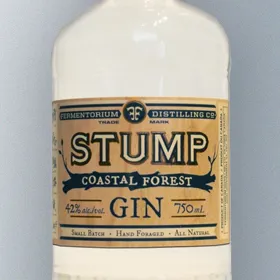
Stump Coastal Forest Gin