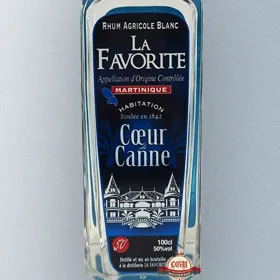
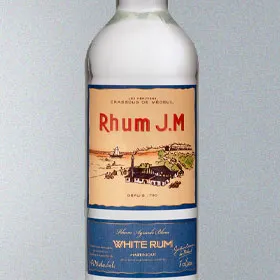
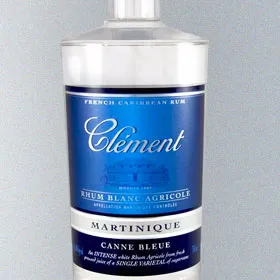
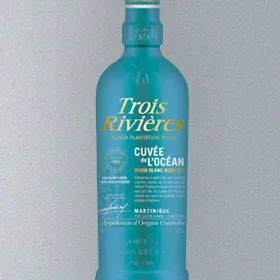
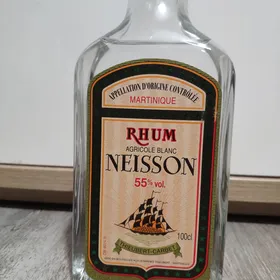
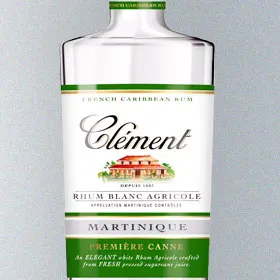
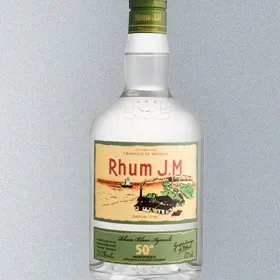
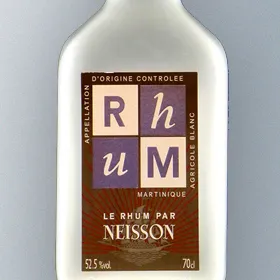
This is the second time I've tasted this Rhum Agricole. This time, it was during a cachaça sommelier course I instructed at the Brazilian Sommelier Association. A spirit produced under the Martinique Rhum Agricole AOC. Martinique Rhum Agricole is more costly to produce due to the high labor expenses in Martinique compared to nearby nations like Jamaica, Cuba, or Brazil. Molasses, being a byproduct that requires less careful handling, is also a less expensive ingredient than fresh sugarcane juice. The decision to pursue AOC status was made as early as 1975. The goal of the AOC was to provide legal protection for rums produced in the French overseas regions. The AOC application was successful in 1989 and was granted by FENARUM (National Federation of Rhum Producers). The AOC guidelines specify geographical boundaries for sugarcane cultivation and standard production methods (distillation columns, aging, fermentation, etc.) to define the rhum agricole product. A designated geographical area. To be labeled "AOC Martinique Rhum Agricole," rum must be made from sugarcane grown in an area authorized by the AOC decree. Currently, only the territories of these 23 municipalities in Martinique are permitted to grow sugarcane for AOC Martinique Rhum Agricole production. Crop yields are restricted to 120 metric tons of sugarcane per hectare (average yields in Martinique are currently closer to 70 tons/ha). In contrast, sugarcane yields can easily exceed 150 t/ha elsewhere in the world. This limit was established to prevent unsustainable farming practices, such as extensive fertilizer use. The specifications for "AOC Rhum Agricole Martinique" also limit irrigation technology, prohibiting more than four months of irrigation per year. Sugarcane has high water requirements; this limitation is indeed significant and restricts sugarcane cultivation to well-irrigated fields and prevents overproduction, which could harm the quality of "AOC Martinique Rhum Agricole" and damage the unique landscapes of Martinique. Similarly, any application of substances to promote cane maturation is forbidden. Sugarcane crops approved for the production of "Rhum Agricole AOC Martinique" are listed by a government-appointed body. Harvesting is also time-limited, as it can only begin on January 1st and must conclude by August 31st. Defined production techniques. The base for rhum agricole must be made solely from fresh cane juice obtained by grinding and pressing sugarcane. The addition of syrup or molasses is not permitted. The quality of the juice is monitored with a minimum sugar content (Brix > 14 °Bx) and a minimum pH (pH > 4.7). These criteria limit juice concentration and acidity to reasonable levels to prevent uncontrolled fermentations and thus avoid disturbances in ethanol production (such as the production of methanol or other undesirable substances). Juice extraction is also regulated by prohibitive methods, such as hot extraction, which can degrade juice quality and alter the characteristic aroma of rhum agricole. Distillation for rhum agricole production must be performed using distillation columns and continuous distillation of the fermented must. Distillation counts must meet the following criteria: Heated by hot steam injection. Between 5 and 9 copper rectifier plates; At least 15 copper or stainless steel pickling plates; Pickling plates with a diameter between 0.7 and 2 meters; Reflux through one or more wine heaters or copper water condensers. Rectification of the spirit (a second distillation to achieve higher alcohol concentrations) is prohibited. Furthermore, the alcohol content at the distillation outlet must be between 65° and 75° to comply with AOC specifications. Source: rhum-agricole.net website.
Saint James Impérial Blanc Agricole
3.14 Mixed reviews
Rum Rhum Agricole Martinique 40% ABV
Tried it?
How was this pour?
Score this bottleRating a bottle takes an account, so your scores follow you and count towards the number everyone else reads.
Reviews
Showing the most detailed of 5 parsed reviews.
A spirit made according to the Martinique Rhum Agricole AOC regulations. Producing Martinique Rhum Agricole costs more due to the high cost of labor in Martinique compared to nearby nations like Jamaica, Cuba, or Brazil. Molasses, a byproduct that needs less attention, is also a less costly ingredient than fresh sugarcane juice. The pursuit of an AOC began in 1975. The objective of the AOC was to provide legal protection to rums made in the French overseas regions. The AOC was approved in 1989 by FENARUM (National Federation of Rhum Producers). The AOC rules specify the geographic areas for sugarcane cultivation and standard production methods (distillation columns, aging, fermentation, etc.) that define the rhum agricole product. A designated geographic zone. To be called "AOC Martinique Rhum agricole", the rum must be produced from sugarcane cultivated within an area approved by the AOC decree. Currently, only sugarcane from the 23 municipalities of Martinique listed are allowed for AOC Martinique Rhum agricole production. Crop yields are capped at 120 metric tons per hectare (average yields in Martinique are closer to 70 tons/ha). For context, sugarcane yields can readily surpass 150 t/ha elsewhere globally. This limit was implemented to discourage unsustainable farming methods, such as extensive fertilizer use. The "AOC rhum agricole Martinique" rules also restrict irrigation technology, allowing no more than four months of irrigation annually. Sugarcane has substantial water needs, making this restriction significant; it confines sugarcane cultivation to well-watered fields and prevents overproduction that could negatively impact the quality of "AOC Martinique rhum agricole" and harm Martinique's unique scenery. Similarly, any substances to encourage cane ripening are forbidden. Sugarcane crops approved for "rhum agricole AOC Martinique" are cataloged by a government-appointed entity. Harvesting is also time-restricted, beginning no earlier than January 1st and concluding by August 31st. Defined manufacturing processes. The must for rhum agricole must originate solely from fresh cane juice extracted by grinding and pressing sugarcane. Adding syrup or molasses is not permitted. Juice quality is monitored for a minimum sugar content (Brix > 14 °Bx) and a minimum pH (pH > 4.7). These metrics keep juice concentration and acidity within reasonable ranges to prevent uncontrolled fermentations and subsequent issues with ethanol production (like methanol or other unwanted compounds). Juice extraction methods are also regulated, prohibiting techniques like hot extraction that could degrade juice quality and alter the distinct aroma of rhum agricole. Distillation for rhum agricole must use distillation columns and continuously process the fermented must. Distillation components must meet these criteria: Heated via hot steam injection. 5 to 9 copper rectifier plates; At least 15 copper or stainless steel pickling plates; Pickling plates with a diameter between 0.7 and 2 meters; Reflux using one or more wine heaters or copper water condensers. Further refinement of the spirit (a second distillation for higher alcohol content) is not allowed. Additionally, the alcohol content at the distillation outlet must range from 65° to 75° as per AOC requirements.
40% ABV. Clear. It has a pleasant agricole scent, though less intense than usual. Notes of dried strawberry, raspberry, guava, powdered sugar, cane juice, lime, and watermelon rind. It begins with a mildly creamy and unctuous mouthfeel. The fruity, berry aromas transition to more vegetal notes, with flavors of grassy red apple skin, green bell pepper, fresh green bean, and snap pea, which weren't detected in the aroma. The finish becomes dusty, with hints of old black pepper and white pepper that seem to have been left behind by a previous occupant. This then turns into cigarette paper before ultimately leaving you with the lingering impression of a dusty shelf. It performs quite well in mixed drinks, where the aroma stands out and the finish is masked by other components. However, it's not a spirit one would prefer to drink neat.
Standard clear white rhum agricole. Suitable for cocktails.
Very fine, mild, with notes of olives and cut grass.
Tastes like this
Same style and price bracket, best rated first.