Score: 15/23 Given how tediously long my last absinthe tasting was (due to the wormwood's numbing effect, intense flavors, and high alcohol content), I decided against purchasing more of this spirit (also because it's used sparingly in cocktails) without sampling it first. Fortunately, I managed to get a taste of Pernod! Nose: At first, the aroma was quite faint. However, it soon developed a strong black licorice scent with an unexpected sweetness, a hint of savoriness, and... that's it? For an absinthe, the presence here is surprisingly minimal. Palate: This has a somewhat rich texture, lacking the sharp bitterness found in Oregon Spirit. It offers a touch of savoriness, some sweetness, and a dominant black licorice flavor. The wormwood causes numbness, yet I can still detect a small amount of complexity. The alcohol content is noticeable but doesn't come across as ethanol overload. I also detect a subtle hint of tarragon, though this requires careful attention. The crucial aspect is that the bitter licorice taste is counterbalanced by sweetness, which is somewhat surprising. Finish: The tarragon note persists for a considerable duration (along with the numbness and some black licorice). It's less enjoyable and engaging than the palate, but acceptable. In comparison to Corsair Red (the only absinthe I own), this offering is less intricate but more harmonious and richer. The sweetness is rather unexpected and significantly alters the character of a mixed drink, unlike bitters. Nevertheless, I find the sweetness and richness to be effective in my view. The color is rather appealing and its natural quality prevents it from making mixed drinks appear odd, unlike Mephisto. What gives me pause is the desire for a more pronounced character. It's certainly not weak, but it lacks the same level of bitter intensity that most absinthes possess. My previous absinthe ratings were challenging because the complexity of the spirits served neat seemed inversely related to their suitability as mixers. This time, it remains difficult, but for a slightly different reason. Now, each serves as a mixer in distinct scenarios. Corsair, with its sharper flavor, is better suited for vibrant cocktails; Pernod, with its sweetness, is preferable for rich, smooth cocktails. If I aimed to introduce a new dimension to a cocktail while being concerned about losing body and not minding some sugar, Pernod would be an excellent choice. For mixing with a cleaner, purer rye, I'd opt for something less sweet, like Corsair. This might be my next purchase (in 2149, when my current supply is depleted) or a good addition to represent the opposite end of the absinthe spectrum. I prefer Corsair Red neat and it's better for certain cocktails requiring a more intriguing profile, but this spirit is likely superior for an equally wide range of cocktails. This is especially true since neither is particularly pleasant to drink neat. I've reconsidered these in cocktails. Once sweetener is added (as is common in most absinthe-based cocktails), Pernod's sweetness becomes less of an issue. Then, the choice becomes between Pernod's body and Corsair's complexity and distinct profile. Frankly, I've sometimes considered Pernod a 15, only to find a mix that better suits Corsair. Perhaps this is a tie? A score of 14 for both. I could be persuaded to rate this a 13 or a 15, but I'm more inclined towards a 15. I appreciate Corsair's unique character, but Pernod offers a solid, traditional flavor that works well in most cocktails that contain sugar (despite being a bit sweeter than I'd prefer on its own). I'm settling on a 15 for Pernod because, despite its smoothness, it possesses a more classic absinthe taste, making it more suitable for most mixed drinks (provided they call for sugar, which is common). Corsair's offering is certainly intriguing and enjoyable, but also a bit unconventional, making it a less certain choice. For a direct comparison, the classic Sazerac (made with Sazerac) is quite good with both absinthes, but the Pernod version is less harsh (though also less complex) and its richness is quite pleasing. If I were serving this cocktail to someone whose preferences were uncertain, I'd choose Pernod. Considering that cocktails featuring absinthe often include sugar (or another sweet component) and Pernod performs well in those situations, I'll award Pernod a 15.
Pernod Absinthe
Everything else Absinthe France No age statement 68% ABV
Tried it?
How was this pour?
Score this bottleRating a bottle takes an account, so your scores follow you and count towards the number everyone else reads.
About this bottle
In 2013, Pernod Absinthe Supérieure transitioned its formulation from a neutral grain spirit base to a neutral wine spirit. It features grand wormwood cultivated in Pontarlier, France, alongside other botanicals including green anise, star anise, melissa, petite wormwood, hyssop, and undisclosed plants. This recipe is a modern rendition of the 19th-century version previously produced by the brand. As a verte absinthe, its green color is naturally derived from post-distillation plant infusions. It is bottled at 68% ABV.
Reviews
Showing the most detailed of 9 parsed reviews.
Appearance: (Neat) Bright, clear chartreuse. (Diluted) The louche starts to form around 1:1 with oil swirls suddenly becoming milky. It's solid by 1:3 with white, yellow, and green opalescent highlights eventually blending into a slightly greenish cream. Opacity is lost beyond 1:6. Aroma: A clean, fresh nose with green anise and wormwood as the primary scents, set against a pleasant grassy, herbal backdrop. A faint hint of citrus from lemon balm is detectable. Flavor and Texture: A pleasant balance between wormwood and anise, with a touch of fennel and a cooling hint of mint and lime leaf. The finish is fresh, woody, gently tannic, and has a satisfying bitterness. The texture is good. When it was first released in 2002, Pernod absinthe was (like all the first generation of modern post-ban absinthes) a low-quality, artificially colored product made by blending oils in neutral spirit. However, this version, introduced in 2013, is significantly better and definitely the “real deal”. It is now produced from a base of grape marc that is distilled with botanicals according to the Pernod Fils recipe from the late 1800s and is naturally colored with macerated nettles and petit wormwood. This is a good absinthe, well-balanced but leaning towards a dry profile, and I definitely prefer to louche it with a sugar cube. It’s reasonably priced and widely available. Although it doesn't approach the complexity of any of the Jade range, it is still very enjoyable on its own and is worth keeping on hand for cocktail use. “Good”: 84/100 (3.75 stars)
While not quite matching the Jade line of reverse-engineered absinthes, it's an excellent value at a much lower price. It's certainly a step above subpar options like Absente, Vieux Carre, and La Fee. Some argue it's unlike the original, but it mirrors the original recipe closely. The primary difference is the lack of extended aging, which is unavoidable unless one possesses a time machine or advanced aging technology. This is what you get, and it's good! Sainte`
Pernod 68 Aux Extrait d'Absinthe A dry, herbal aperitif/cordial from France. It starts with herbal notes, develops a salty character, and finishes with herbs and spices, ending in a long, complex, and somewhat harsh conclusion. July 2016 / September 2017
I enjoy absinthe, and this one is quite good. I typically prepare it as an absinthe drip (using a sugar cube and ice-cold water) because I truly appreciate the herbal character of this spirit. It's very good quality, with no artificial green coloring added.
Long finish with a lot of anise flavor. Delicious if you have nothing to eat with it.
3 more reviews were collected for this bottle. The longest ones are shown first.
Tastes like this
Same style and price bracket, best rated first.
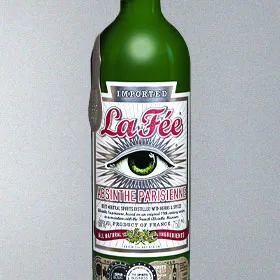
La Fée Absinthe Parisienne
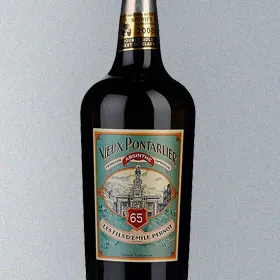
Vieux Pontarlier Absinthe
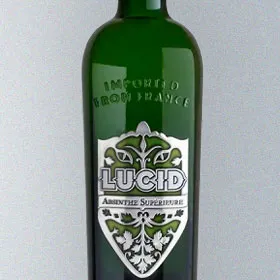
Lucid Absinthe
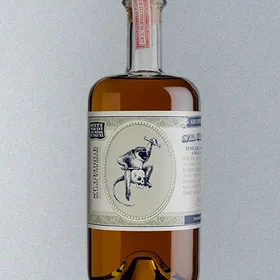
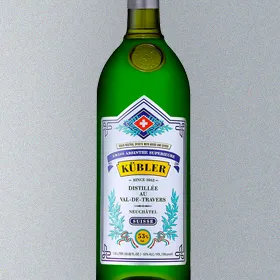
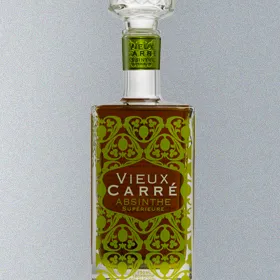
Vieux Carré Absinthe