Appearance (undiluted): Transparent, brick red/dark pink, resembling some darker rosé wines. (diluted) It looks like raspberry cordial. Nose: Grapes, red berries, pomegranate juice, herbal notes, and a distinct quinine scent. Taste and Mouthfeel: The texture is light yet satisfying (unless you water it down too much). It has spicy, sweet, light wine flavors, but a firm bitterness balances it from the beginning. Earthier notes of chocolate, bitter orange peel, and chicory emerge over time, but tart fruit flavors come forward again in the finish, maintaining balance. An intriguing aperitif, it's a blend of dry red wine, mistelle, quinine, and spices. Originally created in 1866, it was made by a family business until 1976 when Pernod-Ricard bought it. Byrrh (pronounced like "beer"... or close enough 😊) was quite popular in France in the late 19th and early 20th centuries but fell out of favor after WWII. Despite this, the drink has been consistently produced for over 150 years with very few changes. It's slightly more bitter than Lillet Rouge and can be enjoyed neat with an orange slice or twist. However, adding a few ice cubes significantly improves it. It pairs well with gin in a 50/50 mix, creating a drink akin to a gin and Dubonnet but lighter and more bitter. It also makes a pleasant long drink with lemonade, sweet sparkling wine, or soda water, but be cautious with dilution. Byrrh can quickly become diluted, and there's a point where a long drink transitions from refreshing to weak. Consider it a light-bodied, bitter vermouth, and you'll likely enjoy it. I suggest using it in more delicate cocktails where its fruity bitterness isn't overwhelmed. If you have the opportunity, a visit to the production site, Les Caves Byrrh in Thuir, France, is worthwhile just to see the massive 1 million liter marrying tun. It's truly impressive! "Very Good": 85/100 (4 stars)
Byrrh Grand Quinquina
4.06 Good
Liqueur Bitter Liqueur France 18% ABV
Tried it?
How was this pour?
Score this bottleRating a bottle takes an account, so your scores follow you and count towards the number everyone else reads.
Reviews
Showing the most detailed of 4 parsed reviews.
Lately, I've been into Manhattans and Negronis, trying out some sweet vermouths, including a new one for my collection. Byrrh Grand Quinquina, while not technically vermouth, is quite similar. It's a fortified sweet wine infused with herbs and spices. In the glass, it looks like cherry and chocolate syrup with a reddish-brown color. The aroma is sweet, reminiscent of raisins or dried fruit. The palate offers a pleasing balance of sweetness and bitterness, beginning sweet, then turning bitter, and finishing sweet again. The finish is pleasantly lengthy. Regarding cocktails, it's fantastic in a Manhattan when paired with a sharper rye or bourbon rather than a sweeter one. My only significant criticism is that it becomes excessively sweet with "wheated" bourbon. It also performs well in a Negroni, though the choice of gin is crucial. A Negroni made with Gray Whale gin and this was nearly undrinkable, likely due to the gin's mint or other herbal notes clashing with the Byrrh. However, a Negroni with Boodles gin was exceptional. Additionally, it's quite enjoyable on its own with a bit of ice. I'm pleased I sampled this and wholeheartedly endorse it. Cheers.
Byrrh, which is actually pronounced beer, is one of the superior bitter aperitifs. It's considerably less bitter than many French bitters, and it's actually quite good on its own, and possibly even better in mixed drinks. On the nose, you detect blueberries and prunes. The palate offers cherry, a little bitterness, and blackberry, with a hint of red wine (not surprising given its wine base). The finish has some spice, no burn, and a decent length. Considering the price, Byrrh is a fantastic value. If you desire a bitter liqueur that strongly emphasizes bitterness, like Campari, look elsewhere, but as an aperitif (served with a little ice and a citrus peel), you can't go wrong. I'm considering upgrading this to 4 stars, but it doesn't offer much complexity when consumed neat. It's still worth searching for in my opinion.
A bitter aperitif derived from fortified wine, featuring cinchona bark, botanicals, and aged in oak. It has ripe fruit flavors, is sweeter than amaro, yet possesses a bitter edge. Excellent for cocktails.
Tastes like this
Same style and price bracket, best rated first.
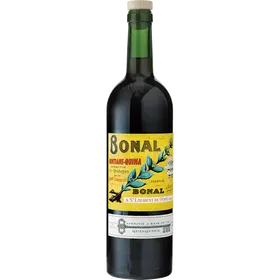
Bonal Gentiane-Quina Aperitif
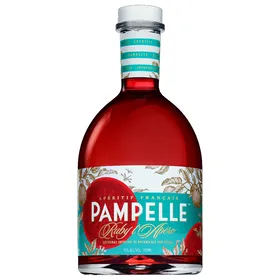
Pampelle Ruby l'Apero
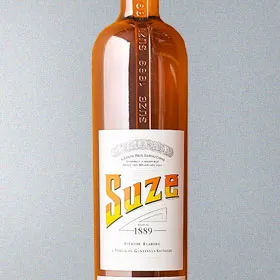
Suze Gentian Liqueur