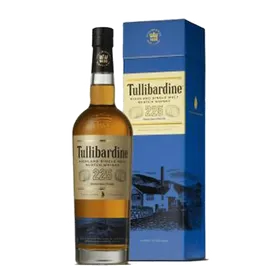
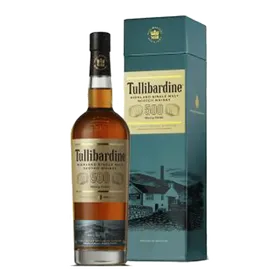
Stop number 60 on the SDT is Tullibardine. This is one of the lesser known Highland distilleries. They went through ownership changes several decades ago and was shut down for a while, but they are making a comeback recently. This is a NAS expression. The 228 designation refers to the burgundy casks used for the finishing. They are 228 liters in size. Bottled at 43% ABV, it is most likely chill filtered. The color is a beautiful dark copper or ruby as they describe it. I want to believe this is natural color derived from the roughly 12 months spent in those burgundy wine casks, but I have no information either way. The nose is full of big fruity red wine notes. A strong oak presence with vanilla and buttercream. Lots of different fruits. Red grapes, cherries, plums, apples, pears, apricots, strawberries and raisins. Believe me, they are all there, like a huge fruit salad. As a companion said when I had her smell it, “It’s like someone took grapes and cherries and shoved them up my nose”. She has a way with words. A sherry-like sweetness. More oak with ginger, caramel, licorice and a light minty/menthol note. Milk chocolate, cocoa powder, some honey and malted barley. After some time grapefruit and oranges appear with a generic nuttiness. The vanilla and chocolate come back around. I love these heavily wine-influenced scotches. The palate starts oak heavy with some pepper upfront. The burgundy casks really dominate and shine through with strong fruity notes. Oranges, grapefruit, pears and plums. More wood spice and oak. It dries the mouth like a good red wine. Some bitter tannins but nothing too unpleasant. Walnuts, cinnamon, toffee and brown sugar. Finally, milk chocolate and some caramel. Quite tasty. A medium-bodied mouthfeel that is dry and mouth coating. The finish is medium long, dry, oaky, fruity, chocolatey with a pinch of spice and slightly bitter. I absolutely loved the nose on this one. It’s very sweet, but the spice helps to balance it a little. It’s more of a dessert dram than not, but I could grab this one anytime and get lost in it. The burgundy casks work wonders here and I suspect they are first fill. I haven’t had anything else from Tullibardine, so I have no reference when it comes to distillery character versus cask influence, but I suspect most of what I am getting here is the wine finishing. I bought this bottle for $64 and I feel that’s a pretty good value for money. It might be too sweet for others, but it’s just right for me. 4.25 Cheers
Tullibardine 228 Burgundy Finish
Whiskey Scotch Highlands No age statement 43% ABV
Tried it?
How was this pour?
Score this bottleRating a bottle takes an account, so your scores follow you and count towards the number everyone else reads.
About this bottle
The '228' in Tullibardine 228 Burgundy Finish signifies the capacity in liters of the Burgundy wine casks used for its secondary maturation, sourced from Chateau de Chassagne Montrachet.
How it tastes
Measured across 14 flavor axes. Tap a note to find other bottles that lead with it.
Reviews
Showing the most detailed of 50 parsed reviews.
Appearance: In the glass, the Tullibardine 228 shows a deep, golden amber color with ruby undertones, reflecting its aging in ex-Pinot Noir casks from Burgundy. The liquid clings to the glass, leaving slow-moving legs that suggest its body and texture. Nose: The aroma starts with a pleasant blend of red berries and dark cherries, distinguishing it from typical Scotch profiles. A faint hint of vanilla and caramel is present, along with sweet spices like cinnamon and a touch of clove. The wine influence is clear, adding complexity and inviting a taste. Palate: The Tullibardine 228 is smooth and balanced on the palate, with flavors that meld harmoniously. The initial taste features rich berry notes from the nose, along with a luscious sweetness like toffee and honey. As you continue, the Burgundy cask's impact becomes more noticeable, providing a smooth texture and a slight dryness that balances the sweetness. Hints of oak and spice appear as the whisky opens up, adding depth without overpowering the fruit and wine notes. A pleasant warmth spreads, enhancing the overall richness. Finish: The finish is long and satisfying, leaving notes of red fruit, dark chocolate, and mild spice. A touch of dryness appears at the very end, a result of the wine cask tannins, prompting another sip. Conclusion: Tullibardine 228 Burgundy Finish is an excellent example of how thoughtful cask finishing can enhance a whisky, bringing new complexity and character. The combination of traditional malt notes and the rich, fruity influence of the Burgundy casks creates a unique and memorable experience. It's a delightful journey for both experienced and new whisky drinkers, making it a valuable addition to any collection. Rating: 93/100. Overall, Tullibardine 228 Burgundy Finish is a distinctive and refined single malt, skillfully blending the influence of Burgundy wine with the strong character of Highland whisky. It showcases the art of cask finishing and is truly a pleasure to savor.
Nose: Red fruit, vanilla cookies, and a woody scent, not from an oak barrel but more like newly cut lumber. The aroma has a sharp alcoholic quality. Palate: Sweet, wine-like notes that quickly become quite dry with strong tannins. As it develops, it shifts toward sweetness, revealing flavors of almonds, hazelnuts, tart cherry, green pear, unripe greengage, orange oil, and white pepper, but the cask tannins are always dominant. The mouthfeel is pleasing. Finish: Medium. Slightly spicy, fading into a woody, winey finish. Milk chocolate remains on the palate. The scent is faintly floral, just a hint. The main aroma is from a young red wine cask. Many people mention milk chocolate with this whisky, but I only detected it as a fairly strong aftertaste. There's a general woodiness, but like many light whiskies aged in wine casks, it's weak and "planky." Without barrel char for extractive aging, and being young, the smell and taste of lightly toasted oak are ever-present. This is somewhat similar to G.Rozelieurs Blue Label and Hellyer's Road Pinot Cask matured whisky, but both of those offer more complexity. This whisky lacks a bold character and needs time to breathe in the glass to reveal itself. Furthermore, it becomes much more appealing once the bottle level drops significantly below the shoulder. Adding a little water certainly enhances this whisky, but it's easily overwhelmed, so use caution. A standard but forgettable single malt that isn't my preferred style. I wouldn't repurchase it or suggest it, and it hasn't made me curious about other offerings from this distillery. For a stylish representation of red wine cask maturation, spend three times as much on any Longrow Red – it's well worth the cost. "Average": 78/100 (2.75 stars) Addendum: After publishing, I reviewed the official tasting notes and prior member comments, which largely suggest this expression previously had more intensity and richness. I'm unsure if it has changed, but it appears possible. I definitely would not rate it anywhere near 87/100.
This was the last sample from our group tasting. I decided to compare it with another wine-finished whisky from a friend, the Springbank 12 Burgundy Cask. A small taste revealed that was a mistake, so I stopped the comparison and let each stand alone. First, the Tullibardine 228 Burgundy finish. This is 43% ABV and has a lovely pinkish-gold color. Swirling it creates quick water droplets and thin legs, indicating significant dilution. I hope this doesn't mute the flavor. The initial aroma was dominated by oak and alcohol burn. I had to let it breathe for over thirty minutes before more delicate scents emerged. These were mainly ripe berries and vanilla. The oak receded into the background, which was a relief as it was too strong initially. Patience is key with this aroma. The taste begins with a spicy oak impact, but it mellows by the middle, allowing mild fruitiness to take over: pears, strawberries, and green grapes. Vanilla notes lead into the finish. The finish exposes this whisky's weaknesses. It's surprisingly hot for a 43% ABV drink, with black pepper, oak, and clove that are a bit harsh going down. This suggests the base spirit is young and likely had a short time in the wine cask. It doesn't ruin the experience, but it significantly lowers my score. It should conclude more smoothly. My thanks again to a friend for sharing this sample. It's an excellent whisky for the nose, but it falters at the end. A score of 3.5 seems appropriate. Cheers.
This has a deep reddish color. The nose is rich and woody with some red fruit. The flavor is a bit flat with some nice rich, bitter wood mixed with cherry and raspberry plus dark chocolate. It's on the dry side and tastes somewhat like imitation old scotch. It is an interesting approach, though. There is definitely a lot of alcohol presence and the fruit on the finish is kind of nice and fruity without being particularly sweet. It's rich, but not smoky. The flavor is more dignified than that of the Tullibardine Sauternes. There's some vanilla and malt flavor. If it were less flat and a little more full, this could be some pretty good whiskey. As it is, it's drinkable and an interesting detour, but it's mostly a diversion rather than something worth contemplating. The sweetness is definitely present but not excessive. The sweetness increases toward the finish, which is a good characteristic. There's something here that's a little bit like butterscotch and some syrup, but it isn't much. It's absolutely worth trying once, but it falls clearly short of excellence.
Following my enjoyment of the Sovereign and significant appreciation for the 225, I'm eager to see what this 228 offers. The aroma is subtle and takes its time emerging from the glass, requiring effort to detect. When found, it reveals abundant dark, jammy fruit followed by rich malt. Subtle pepper and leather notes are present far in the background. The palate begins with some of the sweetness observed in the other expressions, then dramatically introduces cereal and baking spice flavors, much more intense and sharp than anticipated. The clove, cinnamon, and allspice are constant, making it difficult to distinguish other elements. The finish is of medium length, and only then does the pepper and baking spice intensity subside enough to perceive some of the barrel notes hidden from their time in burgundy casks. Compared to the previous two from Tullabardine, I didn't expect this much vibrancy. The level of spice is certainly comparable to a similar proof Rye, minus the anise and herbs. It's not exceptionally complex (or if it is, I can't discern it), but it's certainly not dull, so it's worth trying.
44 more reviews were collected for this bottle. The longest ones are shown first.
Tastes like this
Closest flavor profiles across the whole catalog.