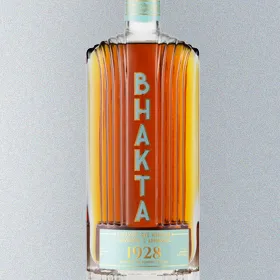
Aroma: Charred pineapple, pineapple candies, apricot brandy, lemon cleaner, earthy cellar floors, damp wood stumps with fungi, and the scent of wet fall leaves on a forest path. Fermented apples from wild yeasts. Steamed grains, strong floral notes, and sesame oil. There's another exotic fragrance that evokes childhood vacations, though the connection is unclear. Taste: Sweet and zesty upon entry, featuring blood orange, grapefruit, mango, papaya, peach, apricot, pineapple, sweet cinnamon, sour lemon candy, and a touch of mild chili. As it evolves, more pineapple and papaya appear, centering on tropical fruit and earthy, mushroom-like umami notes (distinct from meaty umami). The texture is superb – creamy, slightly slick, and satisfyingly substantial, yet not syrupy or heavy; it's actually vibrant and fresh. Aftertaste: Moderate length, with a slight effervescence, mild white pepper, and a lingering sweet and sour tropical fruit essence. This exceptional baijiu originates from the Luzhou Laojiao distillery in Sichuan, situated by the Yangtse River. It boasts the longest continuous operation among Chinese distilleries, founded in the 13th century. Its fermentation pits, established around 600 years ago for big qu and strong aroma production, remain in use. "Zisha" refers to the purple-brown clay of the bottle. The production method resembles a solera system but applied during fermentation and distillation, not aging, as the same mash is continuously processed in an ongoing cycle for centuries, fostering unique yeast and bacterial development. Mash is periodically removed and replenished with fresh grain, then returned to the same pit. The oldest pits date back to 1573. This distillery is credited with authoring the definitive guide to big qu strong aroma baijiu. Strong aroma baijiu typically presents tropical fruit and earthy notes, which to a Western palate can initially seem like an unusual, low-sugar tropical fruit liqueur with earthy undertones – akin to an earthy pineapple eau-de-vie. This particular example is outstanding and among the most pleasing baijiu I've encountered. It's highly recommended for anyone curious about baijiu but unsure where to begin. A caution: avoid smelling the dry glass. Baijiu is best when "wet." As this spirit dries, its delicate fruity notes fade, revealing a barnyard aroma reminiscent of a stable needing cleaning. This doesn't detract from the experience when the glass contains liquid. Baijiu represents a remarkable and varied category of spirits that I plan to explore further. It's an acquired taste that, once appreciated, becomes highly addictive. Unfortunately, limited quantities are exported, and the finest examples are costly due to the labor-intensive and time-consuming traditional production methods. Recommended. "Very Good": 86/100 (4 stars)
Luzhou Laojiao Zisha Daqu
4.25 Very good
Everything else Baijiu Sichuan 52% ABV
Tried it?
How was this pour?
Score this bottleRating a bottle takes an account, so your scores follow you and count towards the number everyone else reads.
Reviews
Showing the most detailed of 2 parsed reviews.
Review score: 18/23. Nose presents with alcohol strength and hints of sweet black licorice alongside tropical fruit notes like passionfruit, banana, and mango. A slight papery aroma is also detected. The palate initially offers tropical fruits and a strong alcohol presence, followed by developing earthy characteristics reminiscent of clay pots and straw, with a touch of ferrous mud. A subtle richness leans savory, and a numbing sensation is present, accompanied by a melon note not perceived on the nose. The finish is dry, featuring an unusual mix of tropical fruits, hay, and mud. While not unpleasant, it lacks the desired cohesion. Overall, this is an intriguing spirit that retains a core baijiu flavor but introduces challenging, albeit interesting, additional notes. At times, the profile can seem somewhat diluted despite the initial proofy intensity. It offers a less accessible tropical and clean character compared to Niu Lan Shan Chen Niang Baijiu (rated 17/23) but exhibits less alcohol flavor. A fascinating comparison, this seems technically superior yet more demanding. It might be a 17, as it's mellower and more nuanced, but it has flaws, possibly warranting an 18. It's not pleasant enough for a 20, and some might even rate it below 17. I'll settle on 18; the primary issue is an overly ferrous muddy note.
Tastes like this
Same style and price bracket, best rated first.
Ming River Sichuan Baijiu
Shui Jing Fang - Baiju/Shaoju
Red Star Erguotou Baijiu
La Fée Absinthe Parisienne